
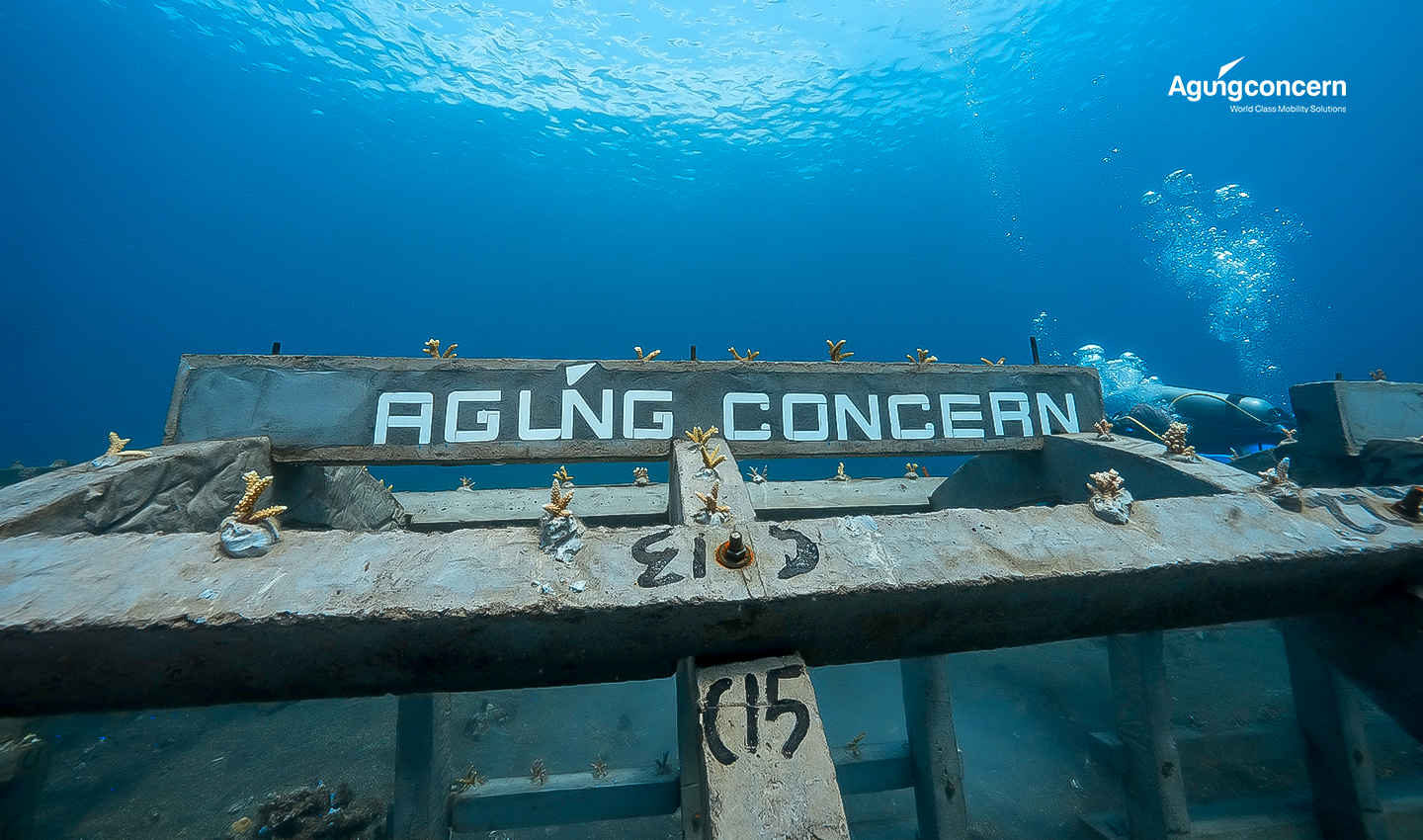
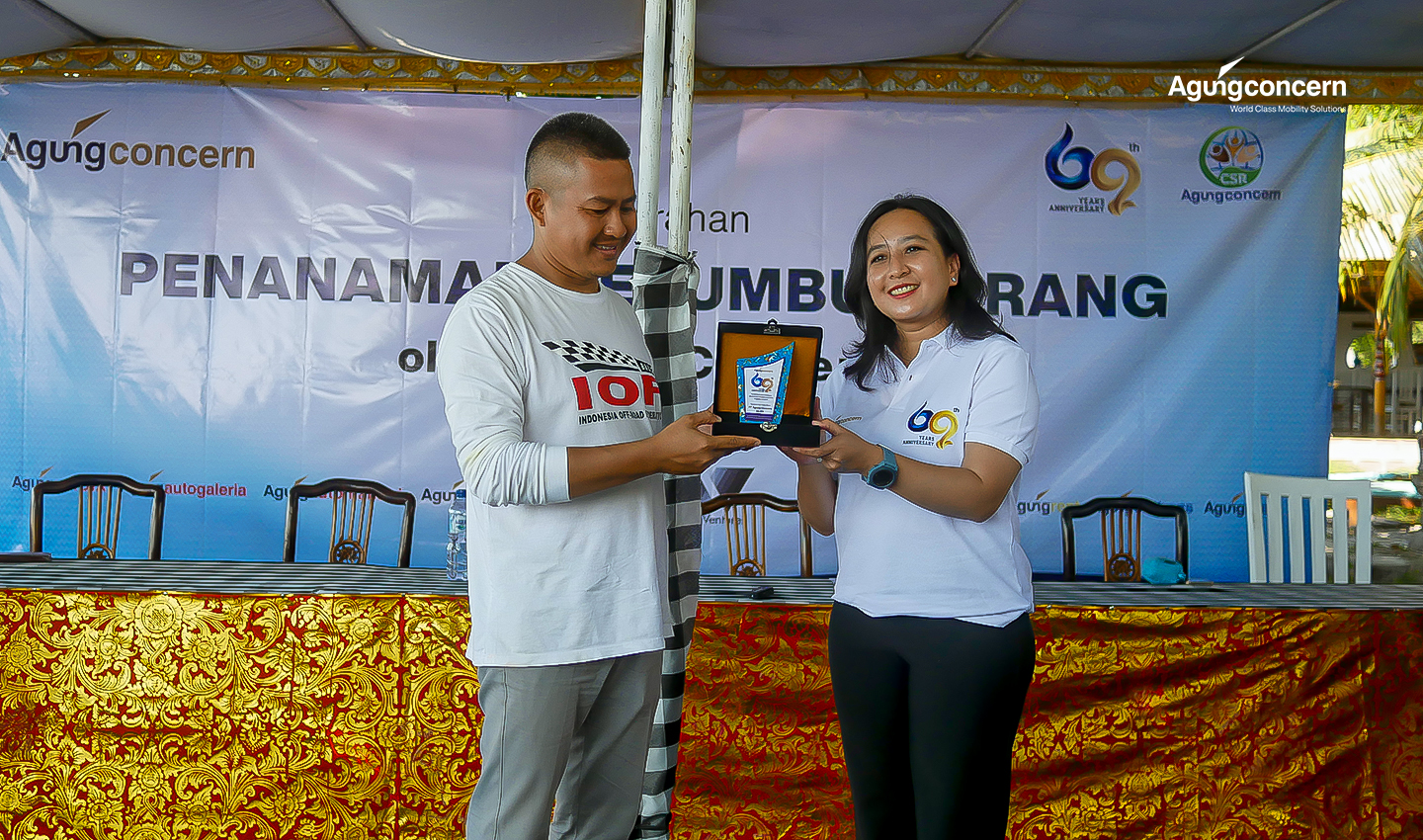
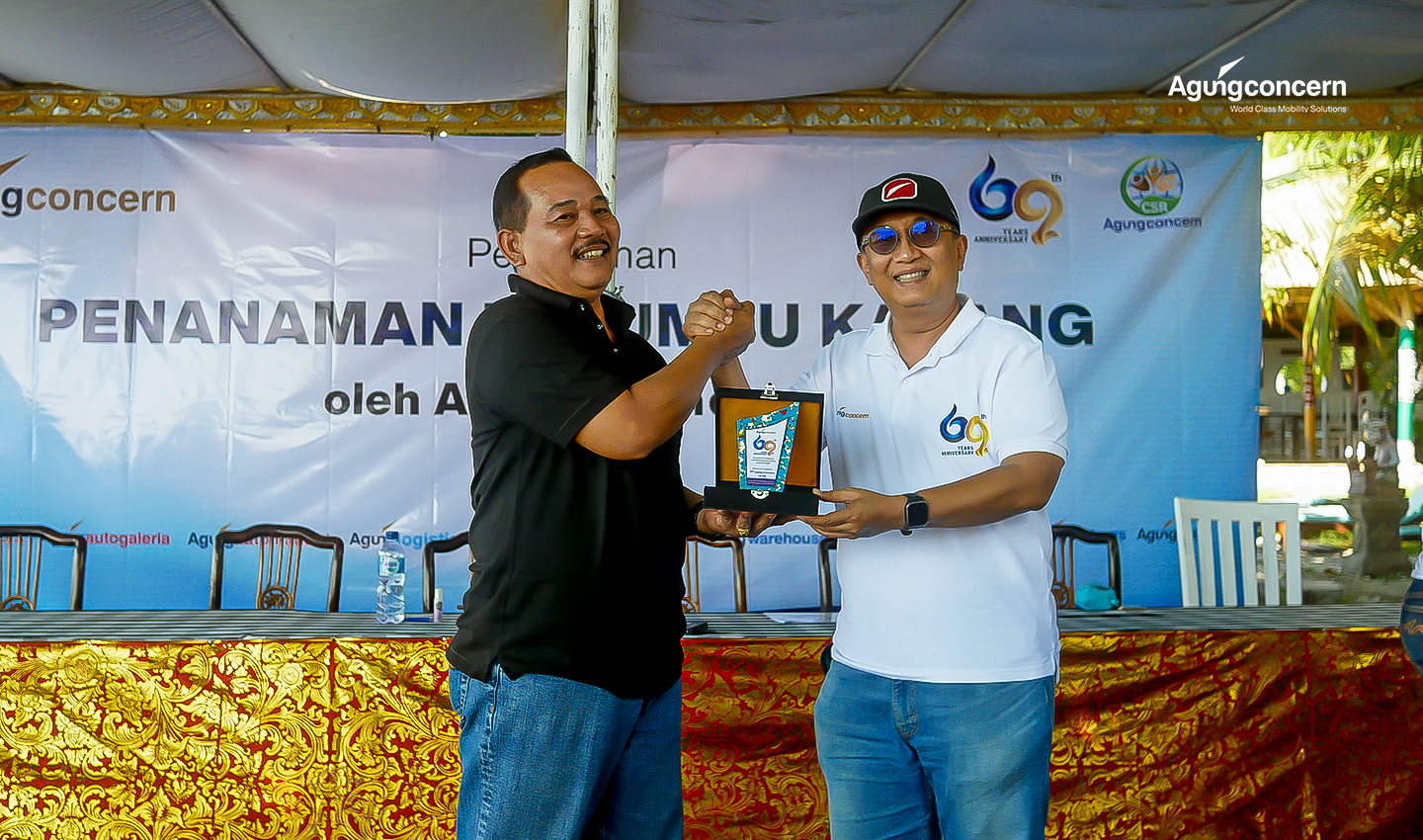
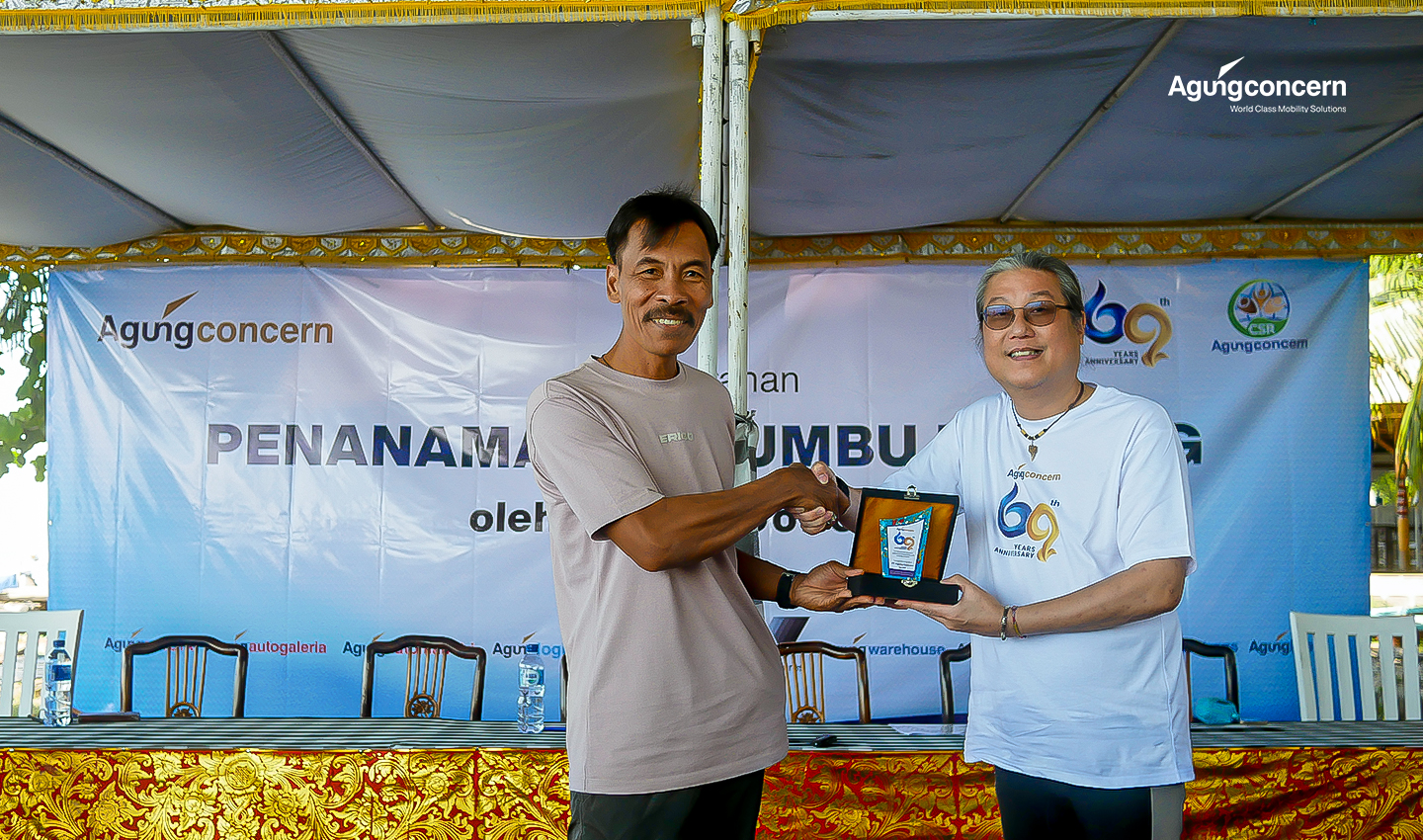
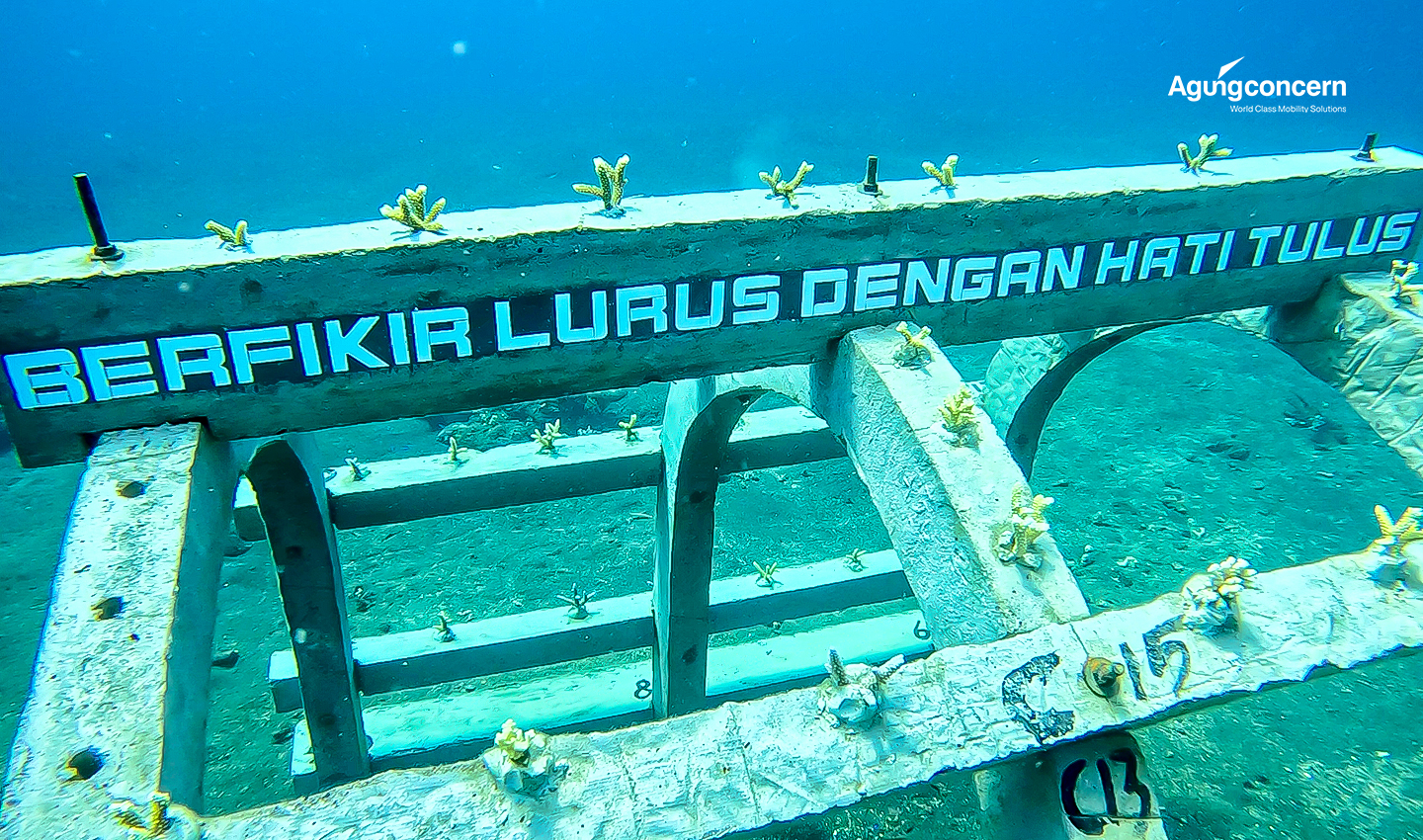
Tejakula, Buleleng, July 10, 2023 – Agung Concern Group has once again demonstrated its commitment to environmental conservation through its Corporate Social Responsibility (CSR) activities, including coral reef planting and rehabilitation in the waters of Les Village, Tejakula District, Buleleng Regency, Bali. Held in June 2023, this initiative represents a concrete step by the company in supporting marine ecosystem sustainability and empowering coastal communities.
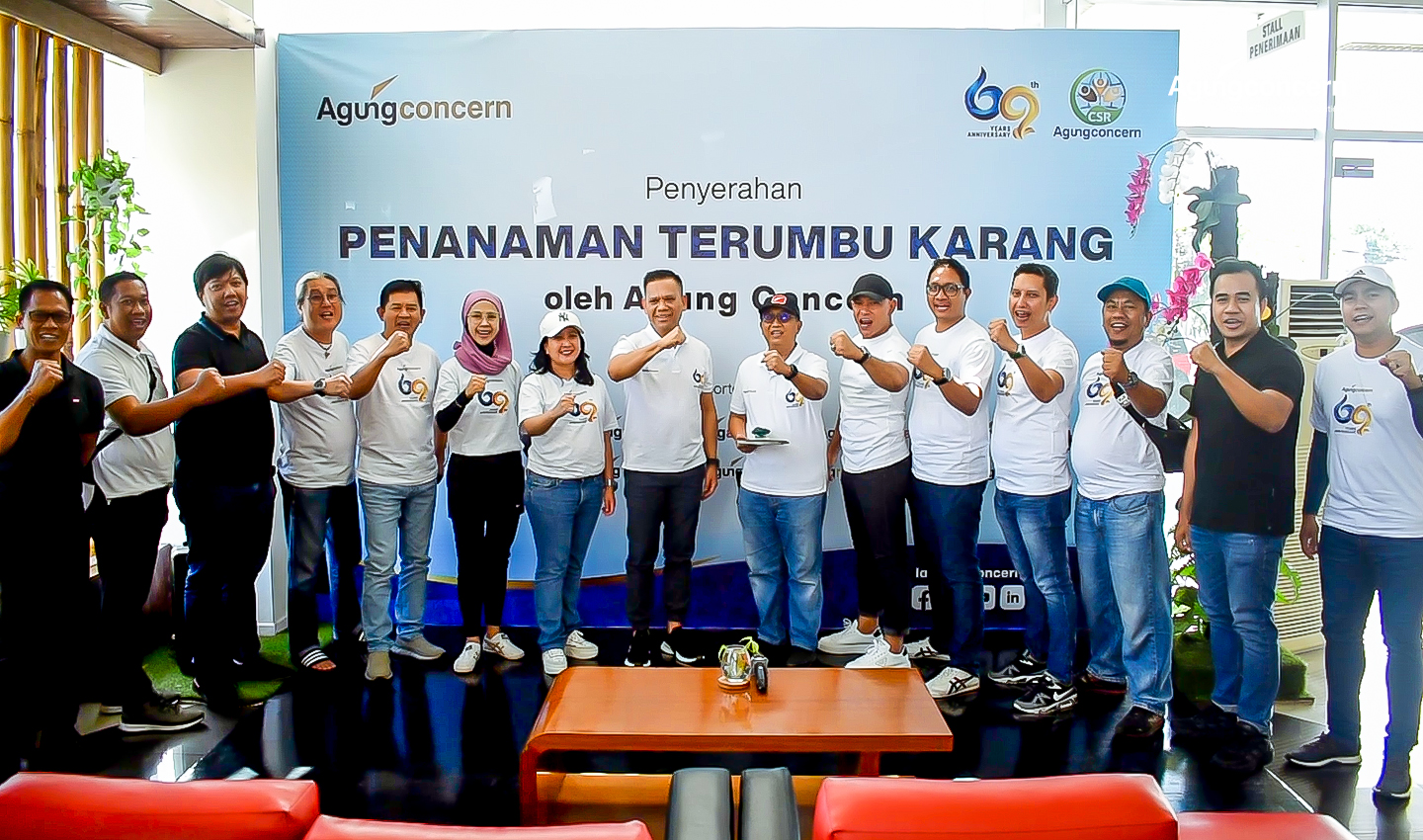
The event was also attended by the Tejakula Sub-district Head, the Les Village Head, the Les-Penuktukan Traditional Village Head, the Les Village Babinsa (village supervisory officer) and the Les Village Bhabinkamtibmas (community police officer), as well as representatives from the local environmental community, the Sea Community.
PMarine Conservation, a Form of Corporate Social Responsibility
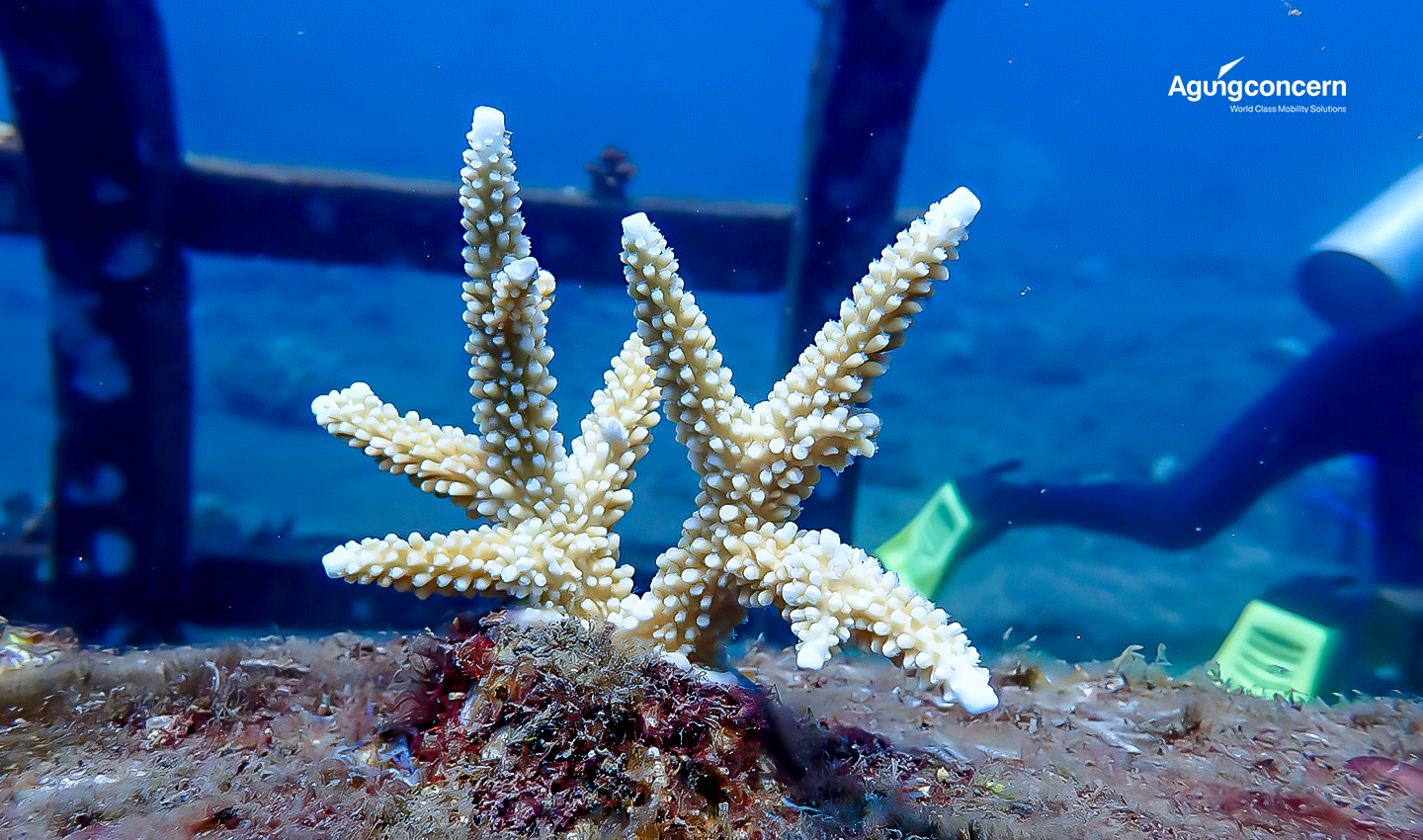
Through this CSR program, Agung Concern Group provided conservation funds and artificial coral planting media to the Les Village community. This assistance focused on rehabilitating coral reef areas damaged by human activity and environmental change, as well as promoting a balanced marine ecosystem.
“This step is part of our efforts to contribute to the environment and local communities, particularly in coastal areas,” said Himawan Wahyu Wardhana, Chief Operations Officer of Agung Toyota and a representative of Agung Concern Group, in his remarks.
Multi-Stakeholder Collaboration for Sustainable Results
The coral reef planting process is carried out using transplantation methods, including the use of local techniques such as the “Eka Dempul” method, which attaches coral fragments to an artificial substrate using a mixture of cement and a special adhesive. This method is a local innovation that has proven effective in accelerating new coral growth.
This conservation activity also involves direct supervision by village officials and security personnel, such as Babinsa (village supervisory officers) and Bhabinkamtibmas (community police officers), to ensure the sustainability of the program and the security of the transplantation site.
According to the Tejakula Sub-district Head, this activity is an ideal example of synergy between the business world, government, and the community. “We welcome this kind of collaboration. This program will not only impact the environment but will also provide added value to the community’s economy through the ecotourism sector,” he said.
Real Benefits for Ecosystems and Communities
This coral reef planting activity brings various strategic benefits, both ecologically and socio-economically, including:
- Restoration of the marine ecosystem: Artificial and natural reefs will provide new habitats for marine life, increasing biodiversity.
- Increased catches for fishermen: With improved fish habitats, catches are expected to increase.
- Development of marine ecotourism: This area has the potential to be developed into a snorkeling and diving destination, supporting the local economy.
- Environmental education and awareness: Through this activity, local communities, especially the younger generation, are becoming more aware of the importance of protecting the ocean.
Strategic Steps Towards a Sustainable Environment
Agung Concern Group emphasizes that this initiative is not the end, but rather part of a sustainable approach that will be expanded to other regions. Similar programs are planned to be replicated in other coastal areas in Indonesia experiencing marine ecosystem damage.
With a spirit of collaboration and social responsibility, Agung Concern Group hopes this initiative will inspire more parties to participate in preserving Indonesia’s natural environment, particularly the marine areas that support the lives of many coastal communities.
📌 About Agung Concern Group
Agung Concern Group is a holding company operating in various sectors, including automotive, property, and mobility services. As part of its INCREDIBLE corporate values, Agung Concern consistently prioritizes integrity, courage, collaboration, and concern for the community and the environment.
Source by : Corcom Agung Concern Group
Comments (0)